
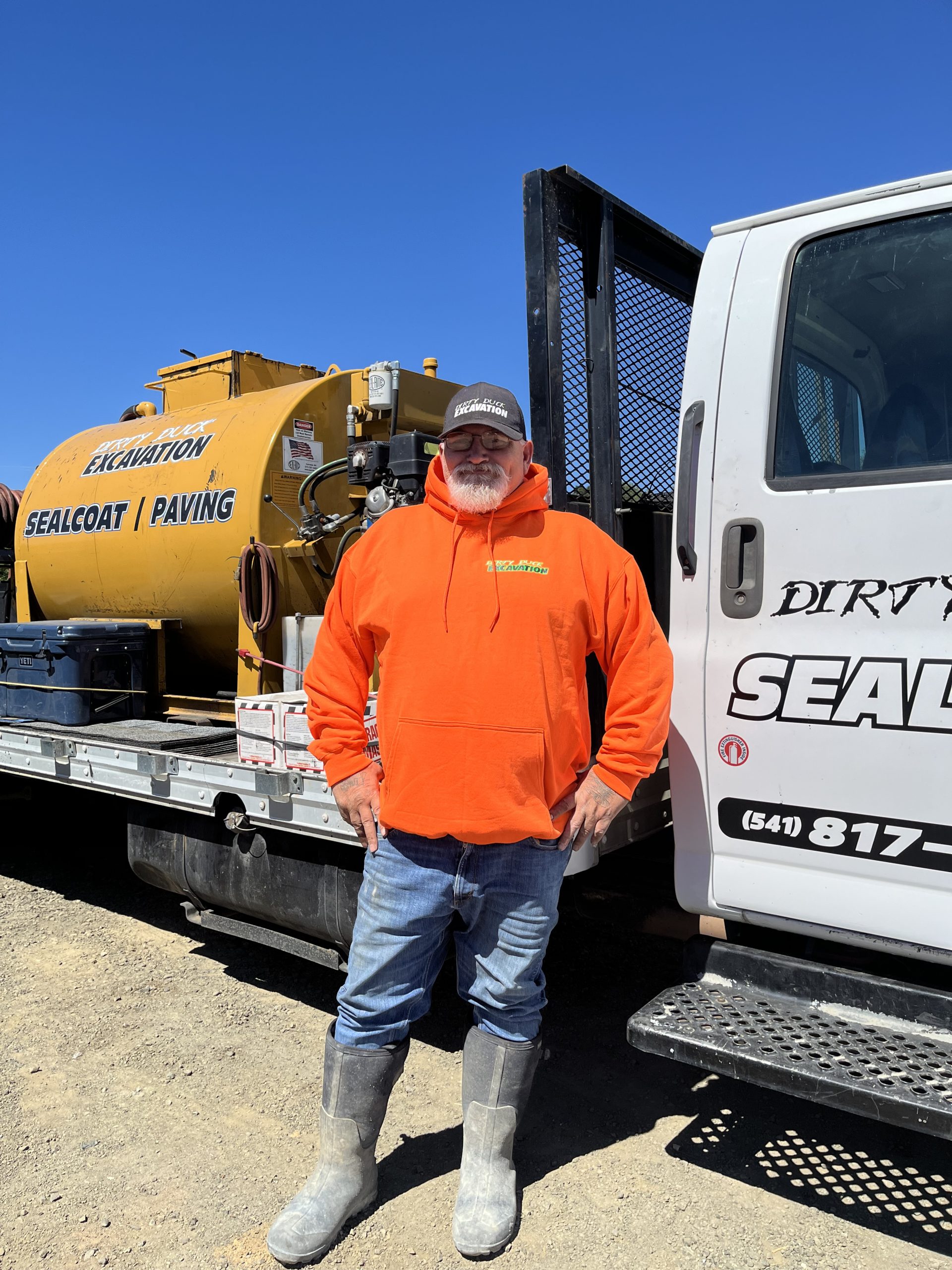
Meet Your Paving Pro:
Steve is our go-to paving guru. Steve knows exactly what your asphalt needs. Offering experience driven solutions with a clean, honest approach.
- -Phone Number: 541-817-5950
- – Email Us
Services We Provide
- Installation & Paving
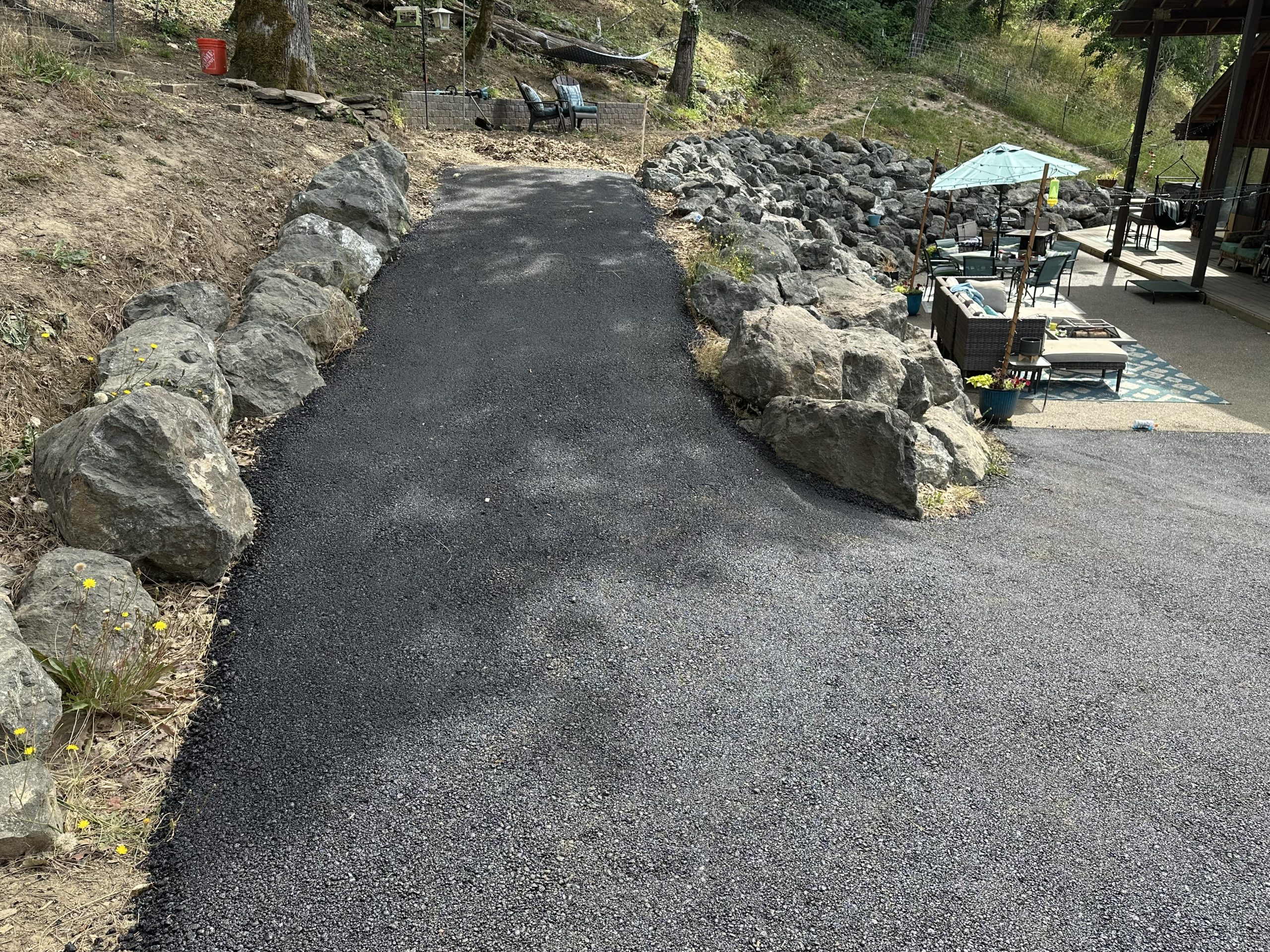
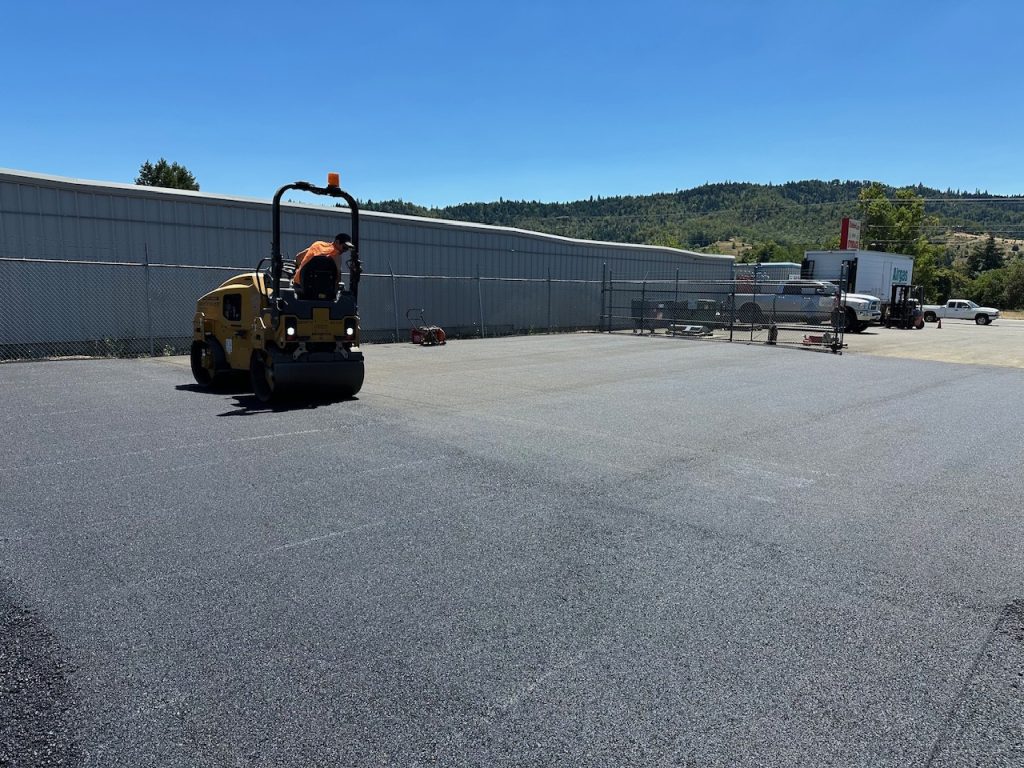
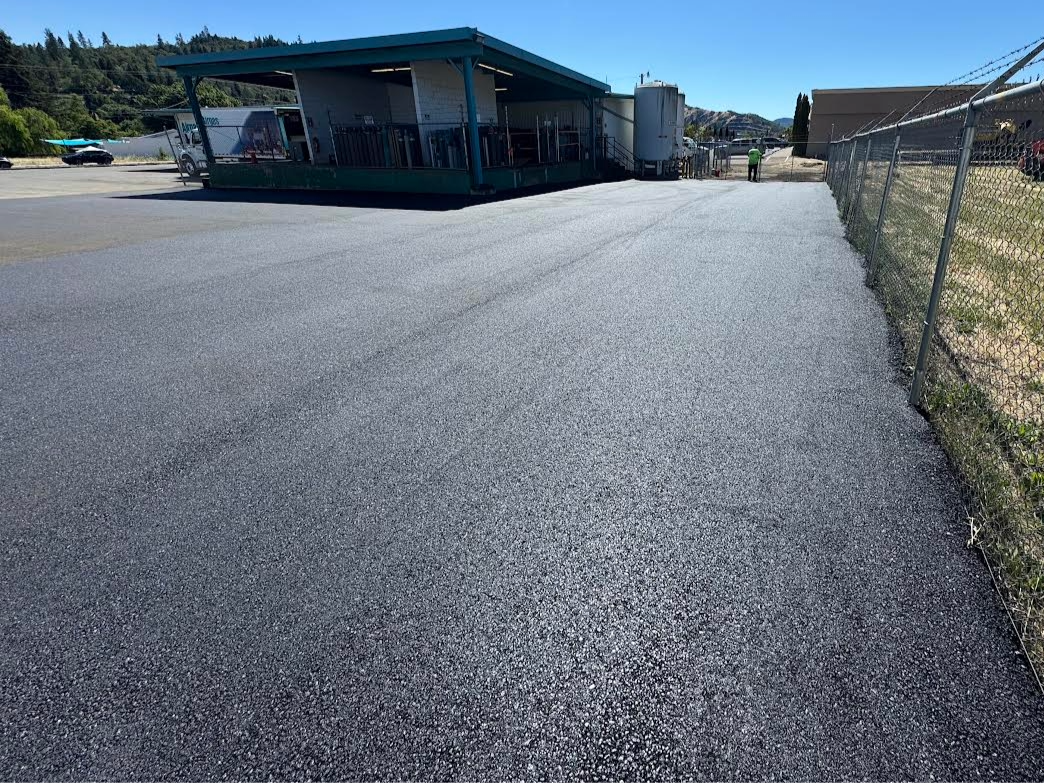
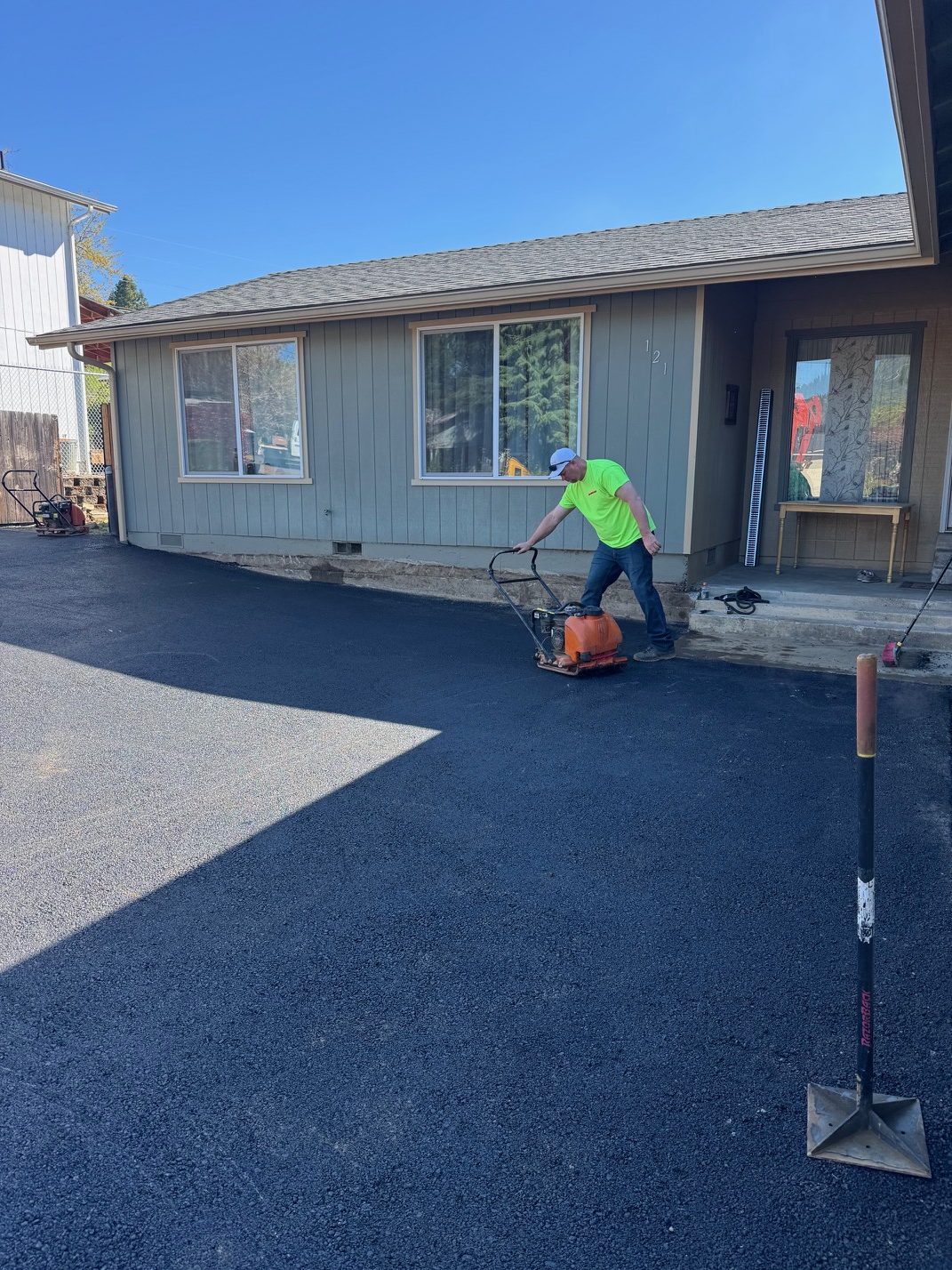
- New Asphalt: Grading, excavating, bring in base(rock) and paving brand new driveways, parking lots, or private roads.
- Total Replacement: Complete removal of old, heavily damaged asphalt followed by a full depth replacement.
- Maintenance & Preservation
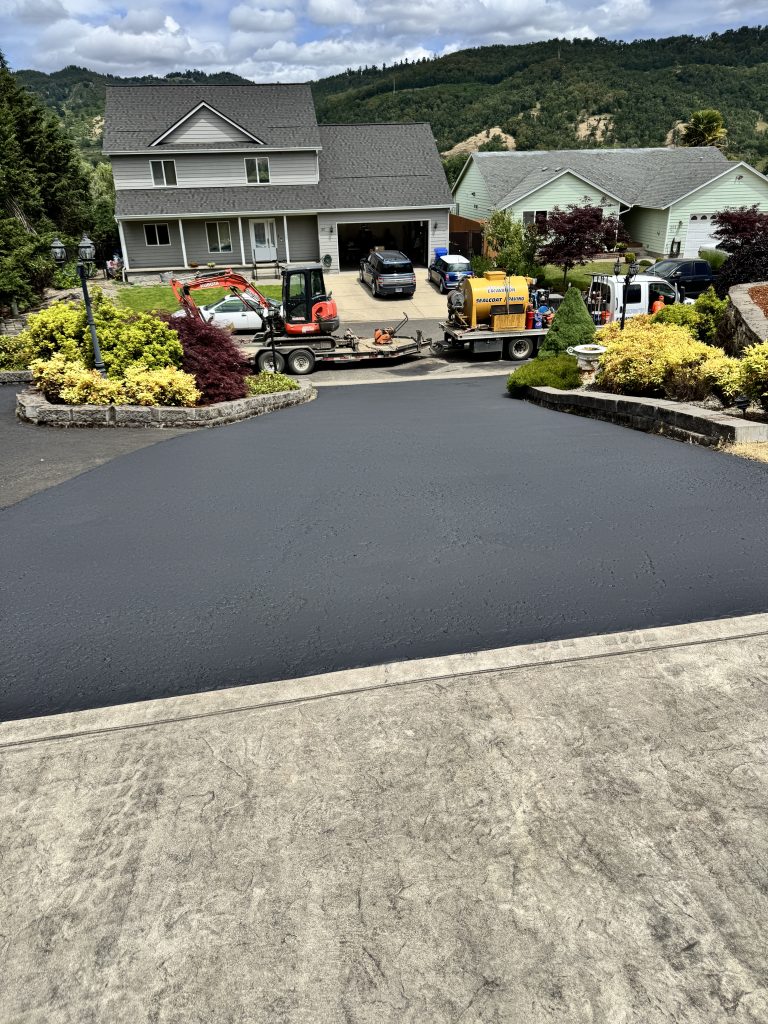
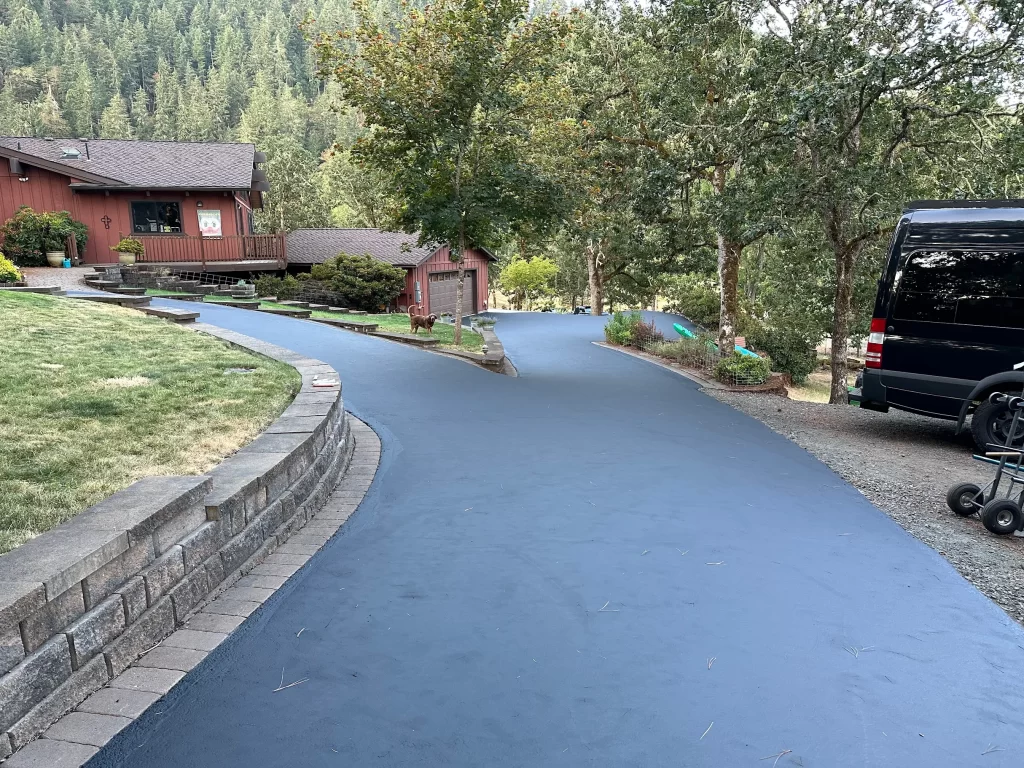
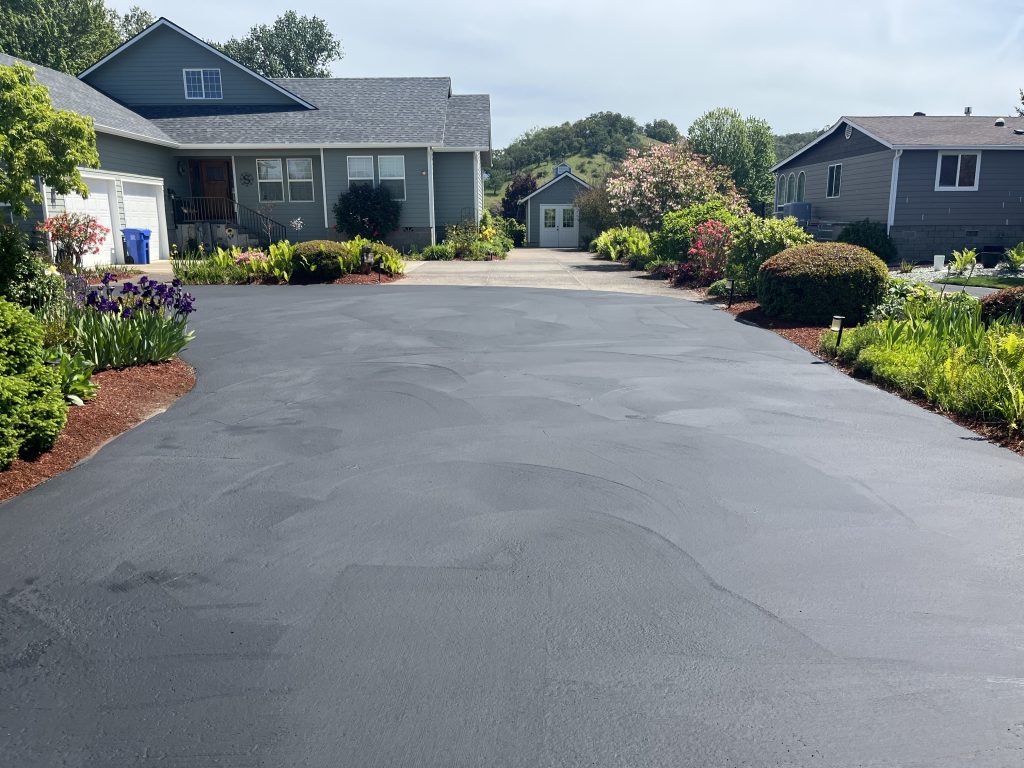
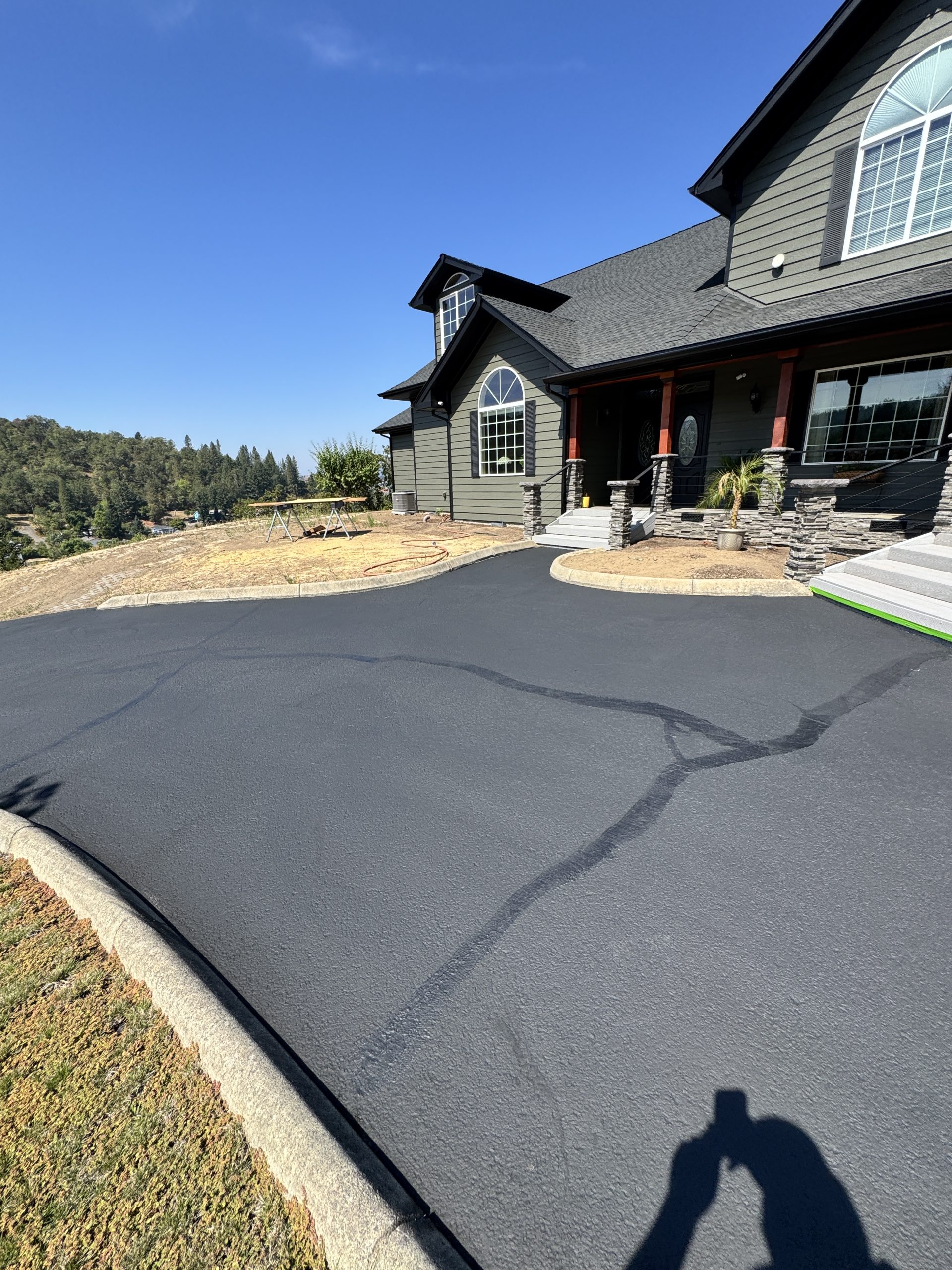
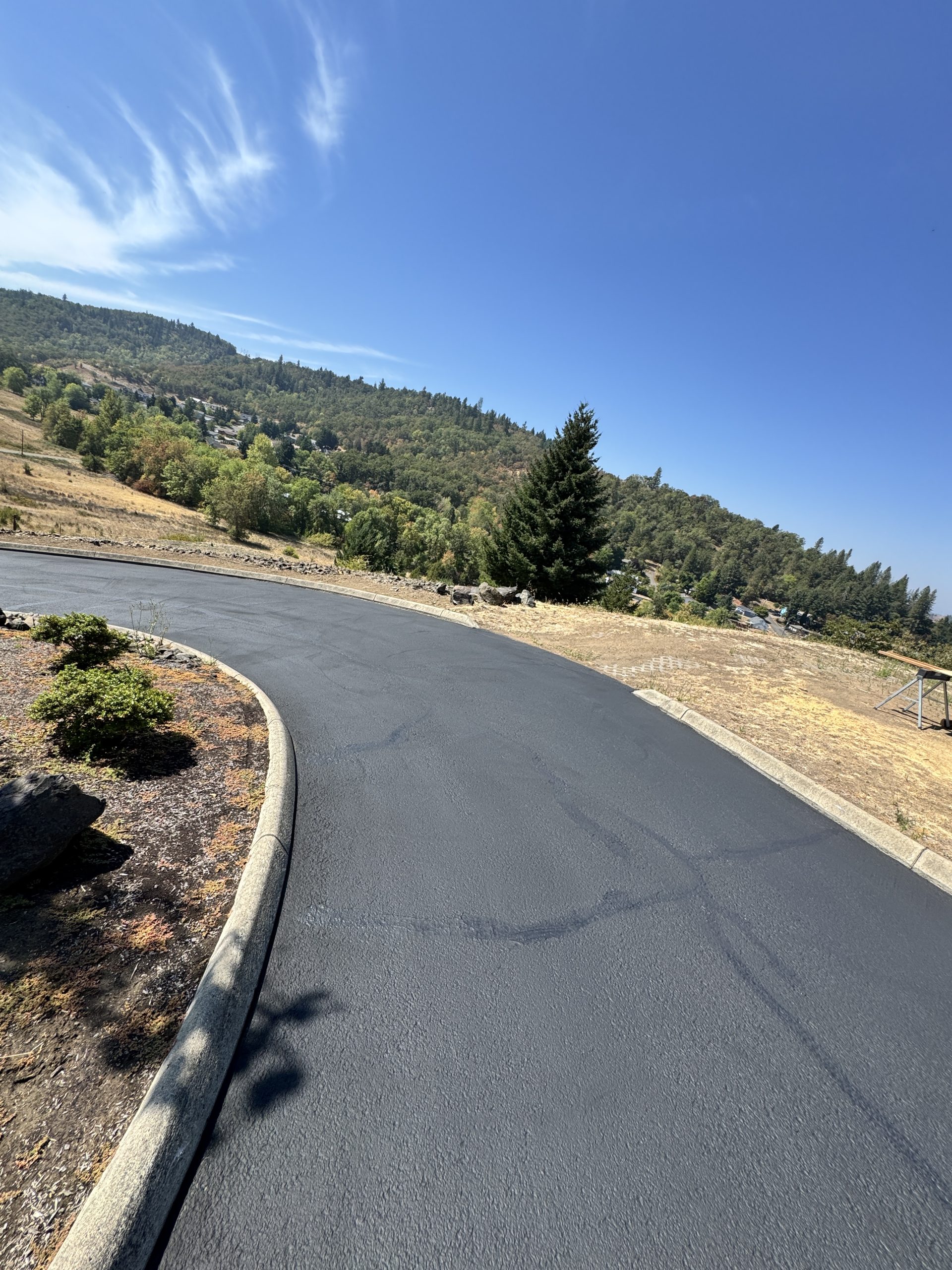
- Seal Coating: Applying a protective liquid layer of commercial grade asphalt emulsion sealer.
- Crack Sealing & Filling: Filling cracks with hot, rubberized sealant to prevent water from seeping in and causing further damage.
- Repair & Patching
- Patches: Removal of old, heavily damaged sections of asphalt followed by a full depth replacement.
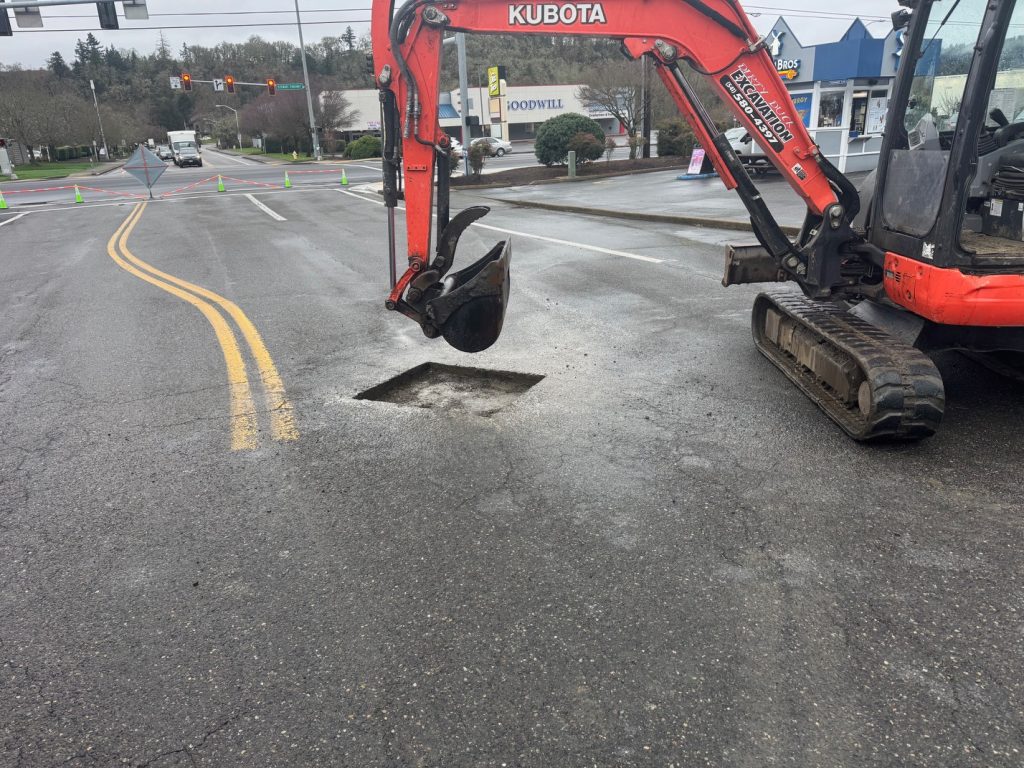
- Pothole Repair: Cleaning out and patching individual potholes using hot or cold asphalt mixes.
- Specialized & Commercial Services
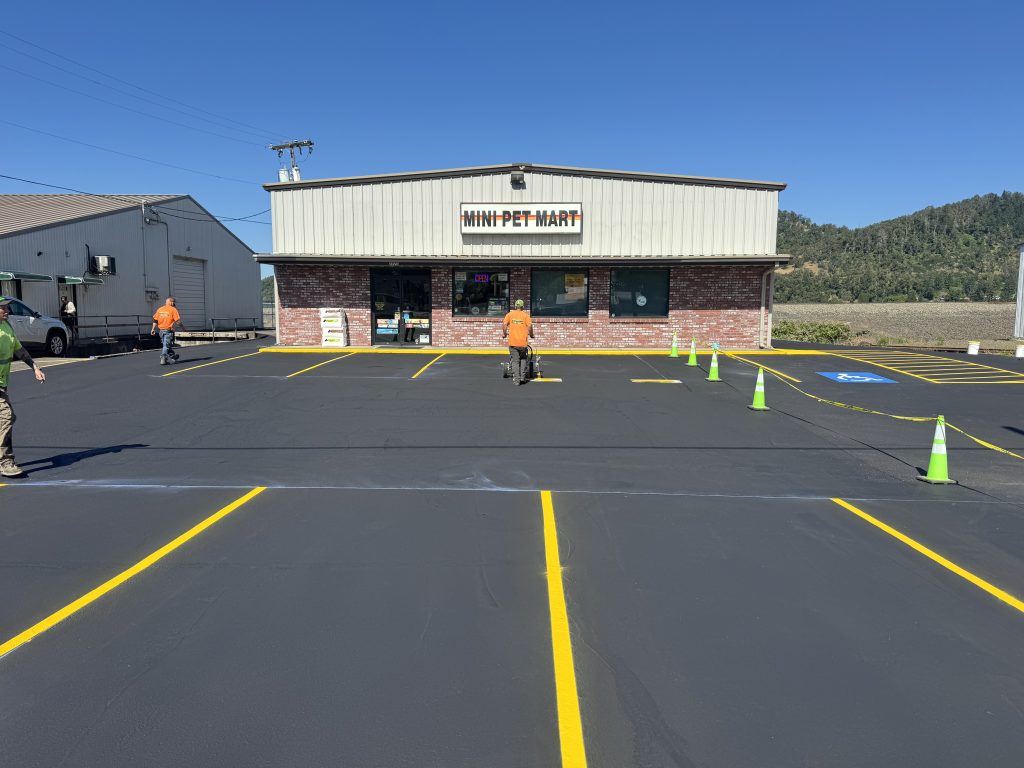
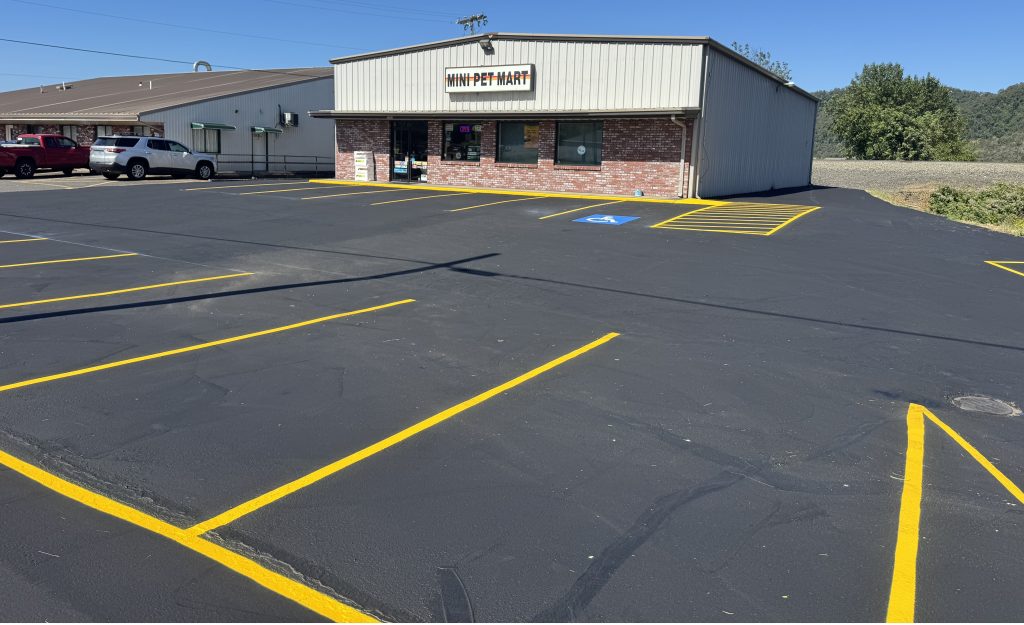
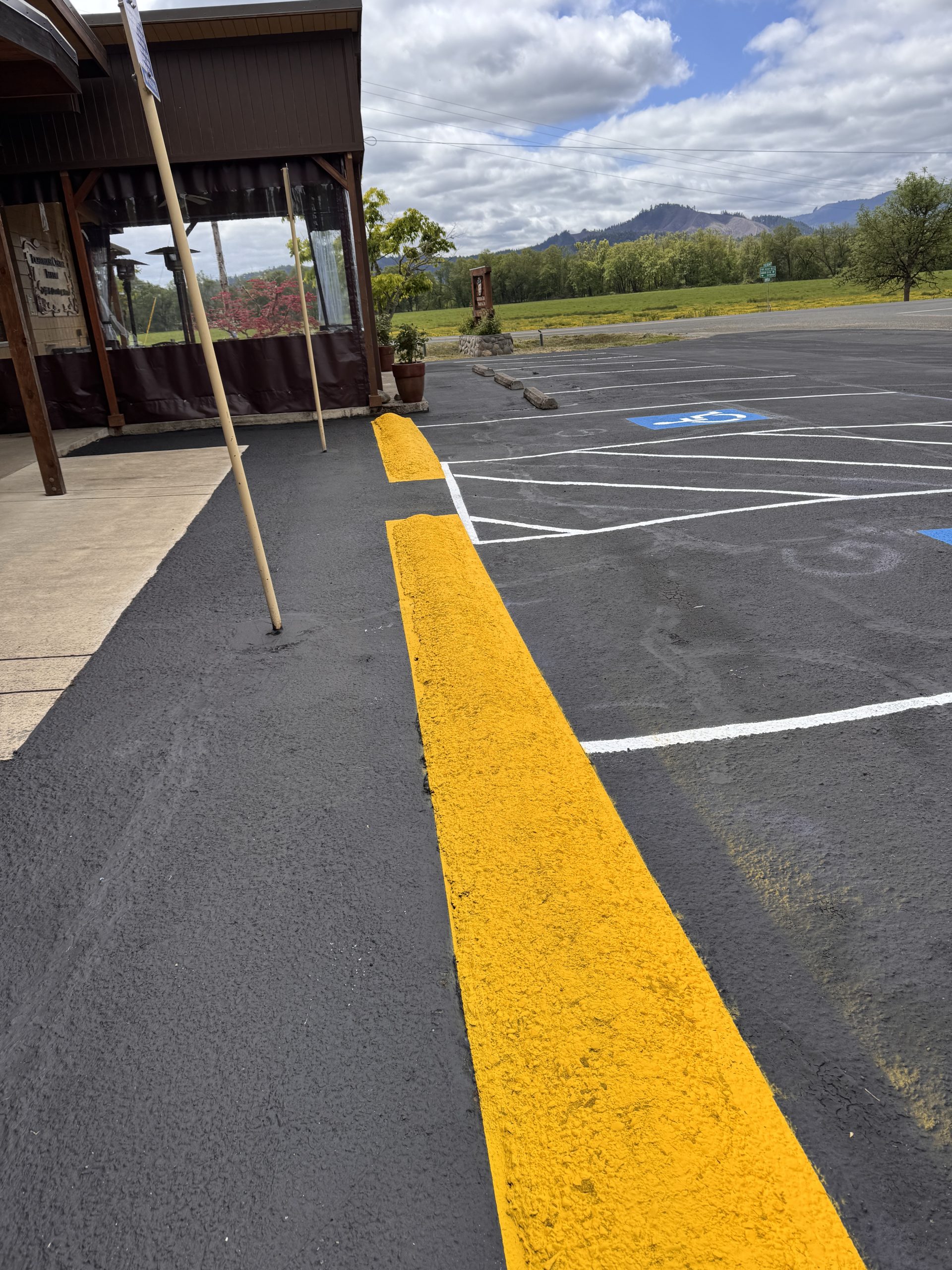
- Line Stripping: Applying professional markings for parking stalls, fire lanes, pedestrian crosswalks, and directional arrows.
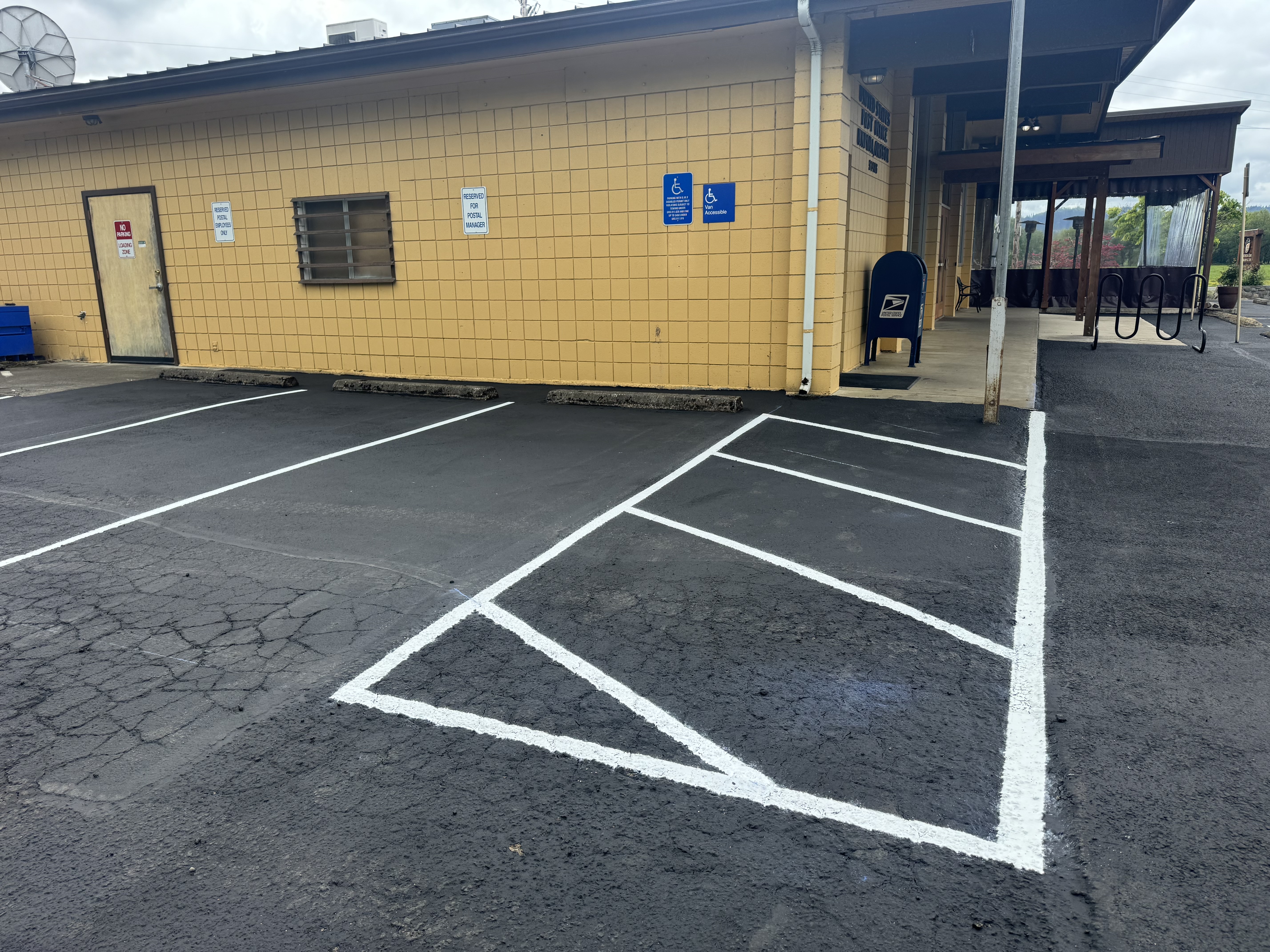
- ADA Compliance and Upgrades: Modifying or adding paved accessibility ramps, detectable warning surfaces, and correctly marked handicap parking spaces.
Seal Coating Aftercare
When Can I drive on the Seal Coat?
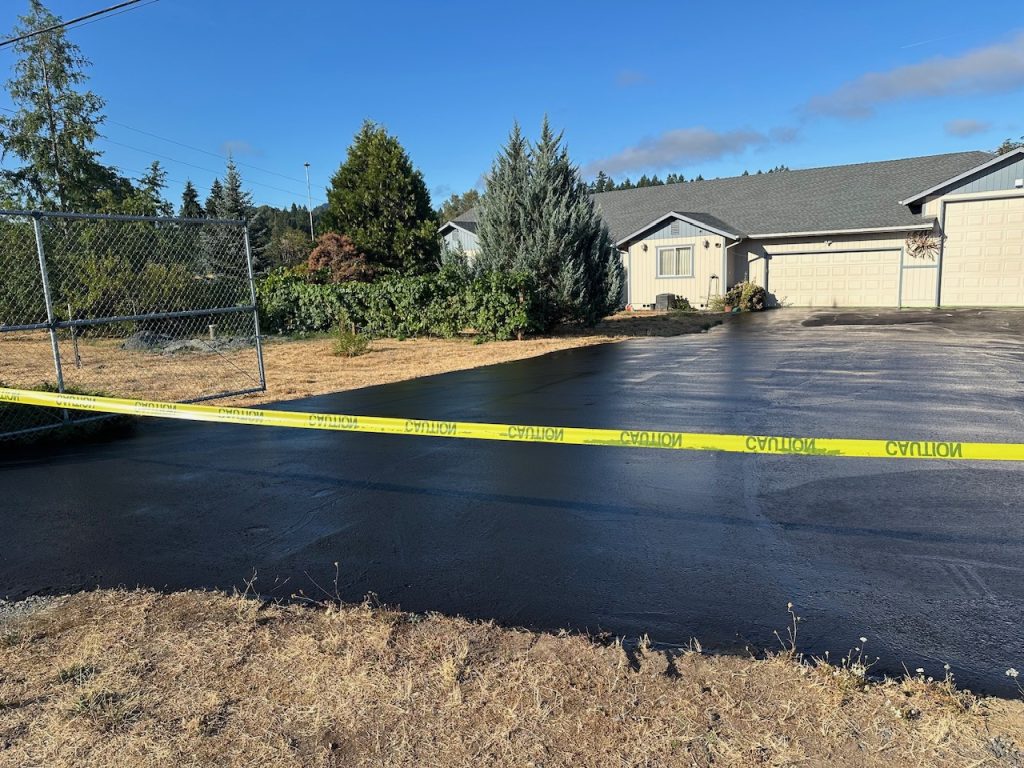
Under good drying conditions, keep off for the first 24 hours for residential use and 24-48 hours for commercial lots. Seal Coat needs to cure, and cure time varies with outside conditions. High Humidity and cloud cover can increase cure times.
The First 48 Hours:
The most common aftercare mistake happens in the first 48 hours, allowing traffic on it too soon. Its also crucial to allow the seal coat to cure, by keeping it dry. Shut off irrigation and sprinklers that will wet your sealcoat during curing. Water can cause streaking and/or bare spots.
Seal Coat Facts
What does seal coat do?
In short seal coat protects your asphalt and extends its life. It does this by blocking water penetration and stopping sun and UV damage. Seal coating also is resistant to chemicals and oils that break down the chemical bonds of asphalt. As a bonus, seal coat boost curb appeal and restores a sleek, dark and “new” look to your asphalt.
Why it Matters?
Replacing asphalt gets expensive, seal coat can prevent your asphalt from failing as fast as it normally would. UV damage causes asphalt to be brittle and cracks to form. Water’s freeze-thaw cycle causes pot holes and alligator cracking or sinking areas.
Long-Term Aftercare
- Clean Spills- Common automotive products can break down sealer and asphalt. Use Degreaser on oil and soapy water on the rest!
- Sweep and Clear Debris- Regularly clear debris. When you power wash, use a light setting. Do Not Power Wash for the first few weeks.
- Seal Cracks within the Season- Water entering through cracks and freezing is the leading cause of pavement failure. A small fall crack can be a spring pavement failure.
- Keep Drainage Clear- Standing water degrades both sealer and asphalt.
When Not To Seal Coat
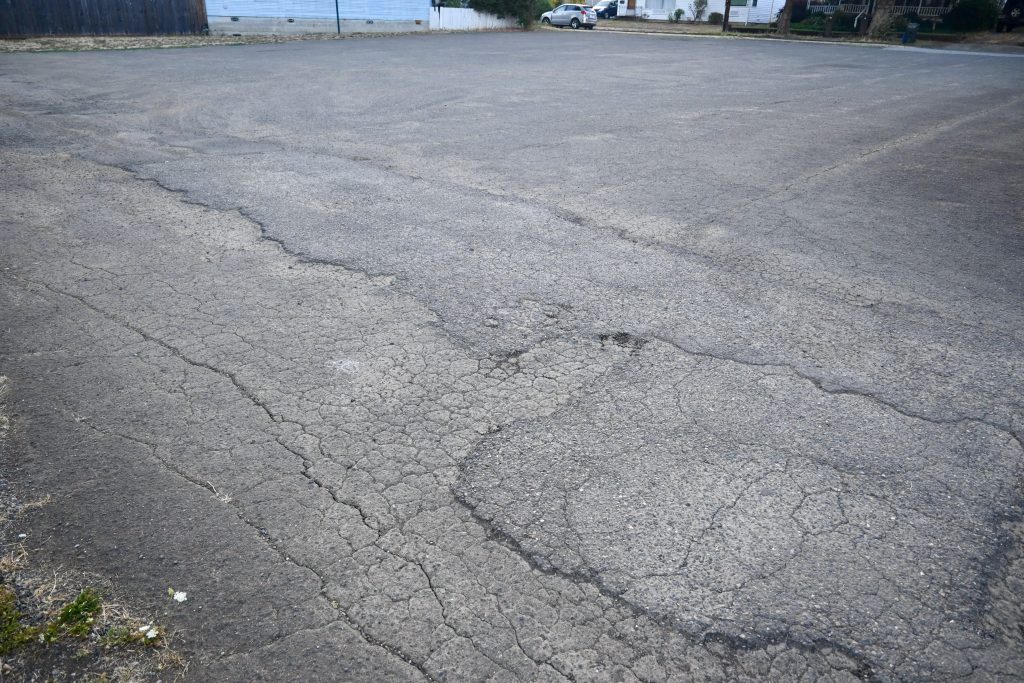
Seal coat only protects asphalt, it doesn’t fix existing issues. Wide Cracks, pot holes, extensive alligator cracking are all signs that your asphalt needs replacing, not sealed.
How Often to Seal Coat
Realistically you should have your asphalt resealed every 2 to 4 years. Depending on long- term after care, traffic and climate.
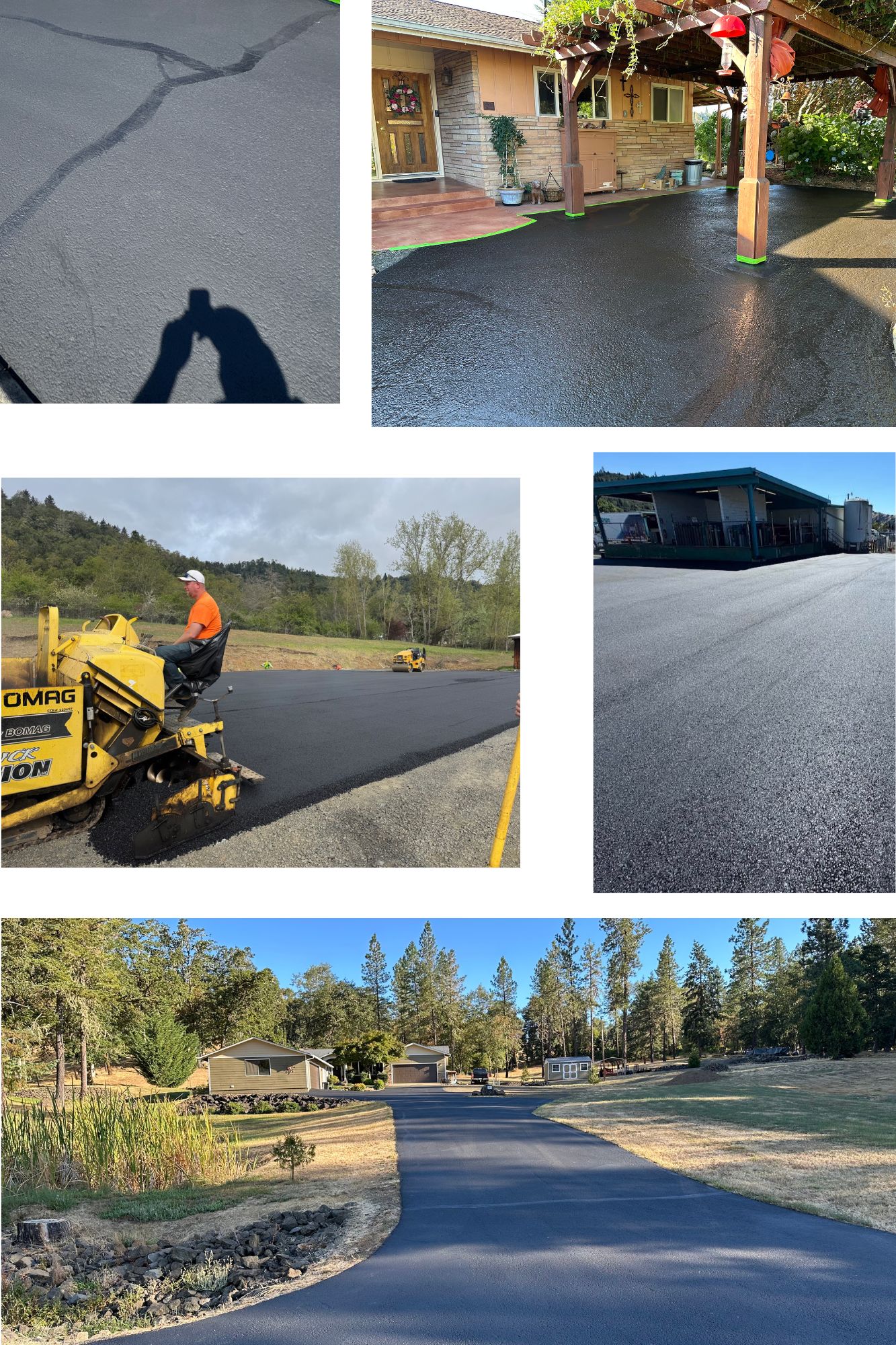
Paving Gallery
Proudly powered by WordPress